Best guitar strings for Alternative rock in Drop D
Ranked by the CYS expert team. Updated 2026-04-20.
For Alternative rock in Drop D, the ranked pick is Ernie Ball Beefy Slinky Cobalt (.011–.054) (.11–.54). It earns the top spot because tagged for drop-d and gauges ideal for drop-d. Below: the full ranking, what real Alternative rock players in Drop D are using, and why.
Ranked picks

Beefy Slinky Cobalt (.011–.054)
Why this one: tagged for drop-d; gauges ideal for drop-d

Power Slinky Cobalt (.011–.048)
Why this one: tagged for drop-d; gauges ideal for drop-d

Regular Slinky Cobalt (.010–.046)
Why this one: tagged for drop-d; gauges ideal for drop-d
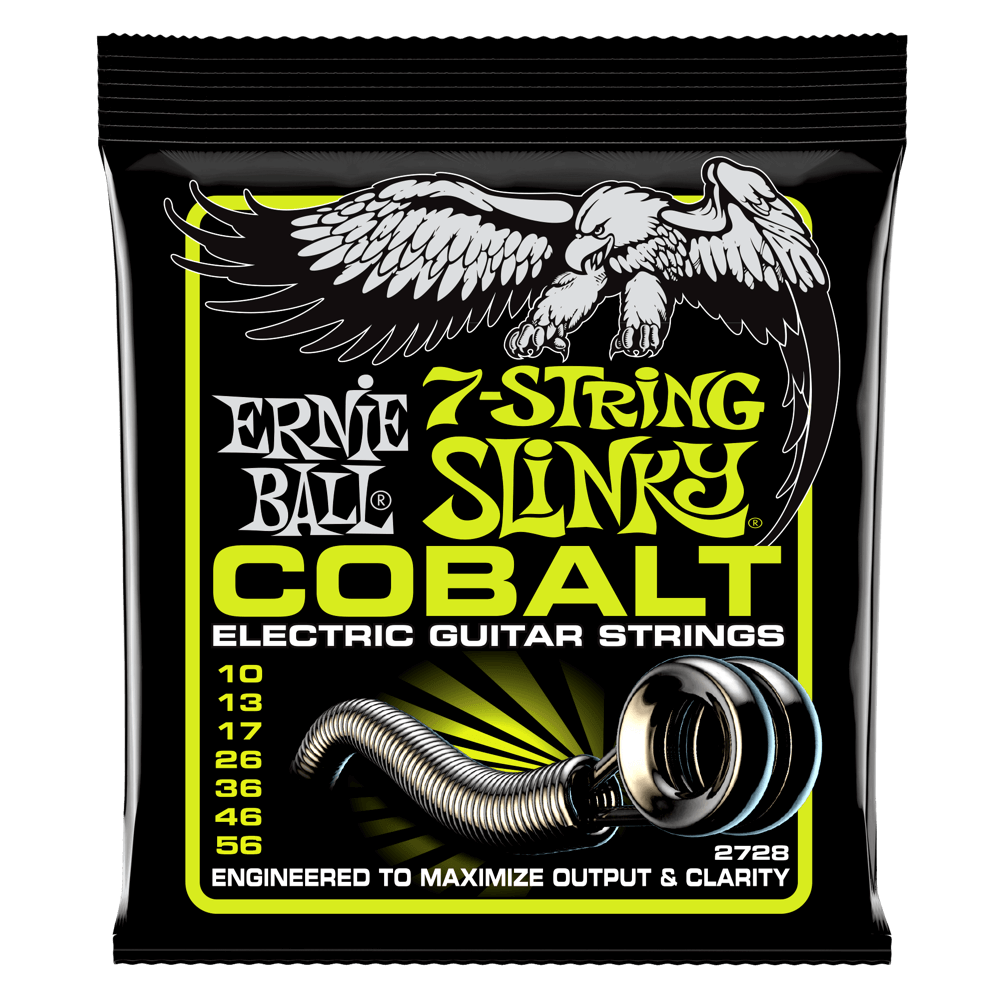
7-String Regular Slinky Cobalt (.010–.056)
Why this one: tagged for drop-d; Cobalt editorial pick (CYS bias)

Not Even Slinky Cobalt (.012–.056)
Why this one: tagged for drop-d; Cobalt editorial pick (CYS bias)
9410 EMP Coated Nickel-Plated Steel (.010–.046)
Why this one: tagged for alternative-rock; tagged for drop-d
Alternative rock players in Drop D
- Johnny MarrThe Smiths / Solo / Modest Mouse / The Cribs / Electronic
- The EdgeU2
- Tom MorelloRage Against the Machine / Audioslave / Prophets of Rage / Solo (The Nightwatchman) / Atlas Underground
Why these ranks the way they do
We weight four signals: (1) direct genre + tuning tagging on the string set, (2) gauge fit for the tuning's tension floor, (3) documented artist use in the same genre + tuning, and (4) producer recommendations. Evidence is shown on each card above.
Still exploring?
- Browse every tuning this genre lives in: /genres/alternative-rock
- Browse every genre that uses this tuning: /tunings/drop-d
Frequently asked questions
What gauge strings for Alternative rock in Drop D?
The top-ranked set for Alternative rock in Drop D is Ernie Ball Beefy Slinky Cobalt (.011–.054), in the gauge range .11–.54.
Which artists play Alternative rock in Drop D?
Documented Alternative rock players in Drop D include Johnny Marr, The Edge, Tom Morello.
Can I use standard-tuning strings in Drop D?
You can, but tension drops as you tune down. For Drop D, a heavier set keeps feel and intonation right. See the ranked picks above.
Do coated strings matter for Alternative rock?
For gigging and studio work, coated strings last 2–3x longer, which matters whether you play Alternative rock or anything else. For pure tone chasing, uncoated is traditional.
How often should I change strings playing Alternative rock?
Daily players: every 2–3 weeks. Weekly players: monthly. Tracking in a studio: fresh per session. This is genre-agnostic, Alternative rock doesn't change the answer.